
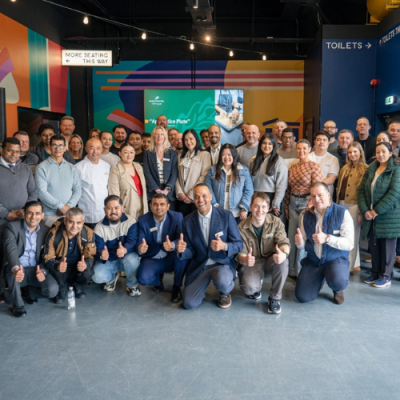

Social care needs a diverse range of skills to deliver outstanding support. Sarah Clifford, Michael Beresford and Mervyn Knights from Barchester Healthcare explain how broadening career pathways beyond traditional care roles is helping to develop future leaders, strengthen retention and create new opportunities across the sector.
When people think about careers in social care, they often focus on frontline care and clinical roles. While these are central to the sector, they are only part of the story. Delivering exceptional care requires a diverse range of skills and professions working together, and some of the most rewarding career opportunities can be found beyond traditional care pathways.
At Barchester, we believe every role contributes to the experience, wellbeing and quality of life of the people we support. That is why we have worked hard to create career pathways that recognise the value of non-clinical professions, including hospitality, and provide clear opportunities for progression, development and leadership.
Our hospitality offering is an incredibly important part of our business. We know how important nutritious, flavourful food is to our residents’ and patients’ wellbeing. Our talented chefs produce restaurant-quality food, and we wanted to design an apprenticeship programme that reflects Barchester’s premium standards and trains the hospitality stars of the future.
The programme has multiple entry levels to engage colleagues with different levels of experience while leading to consistent outcomes. It aligns with Barchester’s brand values and culture and includes leadership and coaching development for more senior team members. Importantly, it is not simply about developing technical hospitality skills. It is about creating meaningful career opportunities and demonstrating that hospitality can be a gateway to wider careers within leadership and operational management.
One of the strengths of our whole-home approach is that hospitality team members interact regularly with residents, patients and their loved ones. Through these interactions, they develop highly transferable skills that are valuable across the wider care sector. They learn how to read people and respond to diverse needs, remain calm in challenging situations, communicate effectively and build trusting relationships.
These are the same skills that underpin effective leadership and management.
That is why we have created clear hospitality and leadership pathways that allow colleagues to undertake qualifications and development programmes tailored to their ambitions. Whether someone is entering hospitality for the first time or progressing towards a Head Chef role, there are opportunities to continue learning and developing.
Our leadership pathway includes development opportunities for every stage of leadership experience, from those completely new to leadership through to experienced senior leaders via our Steps leadership programmes. Alongside formal qualifications, colleagues can access a broad range of learning opportunities, including bite-sized learning, webinars, e-learning, workshops, apprenticeships and access to RCNi and CMI learning resources.
Career progression should never feel unclear or inaccessible. We have designed pathways that support progression from entry-level roles through to leadership positions, offering qualifications at Levels 2, 3, 5 and 7 across hospitality and leadership. These pathways help colleagues build the skills they need for both their current role and future opportunities.
Broadening career pathways is also about recognising the contribution that non-clinical roles make to care quality.
Within our homes and hospitals, every team member plays a role in supporting residents and patients. We operate a whole-home approach, meaning colleagues support where needed regardless of their specialism. Every member of the team contributes to creating a welcoming and respectful environment, supporting emotional wellbeing, maintaining comfort and safety, improving communication and reinforcing trust.
Hospitality, in particular, brings a strong service mindset that aligns naturally with person-centred care. Attention to detail, adaptability, communication and customer service are all essential skills within hospitality and equally important within care settings. These skills help ensure residents are treated with dignity, respect and individuality while building trust with families and supporting positive outcomes.
We measure the impact of our learning and development programmes through our annual Tell Barchester resident survey, CQC outcomes and regular resident and relative feedback meetings. These measures help us understand how investment in people translates into improved experiences for those who live and receive care within our services.
Broadening career pathways also has an important role to play in changing perceptions of social care as a career. By creating structured development opportunities and clear progression routes, we can show colleagues that hospitality and other non-clinical roles offer long-term careers rather than simply jobs. Through apprenticeships, peer learning and professional development, individuals can see tangible opportunities for growth and advancement.
There is also a wider lesson for the sector. If we want to create a sustainable workforce for the future, we need to think creatively about progression. Leadership development should begin early. Career frameworks should recognise different strengths and ambitions. Most importantly, opportunities should exist for everyone, not only those following traditional routes into care.
The future of workforce development lies in recognising that there are many ways to build a successful career in social care. By broadening pathways beyond traditional roles, we can create a more diverse, skilled and resilient workforce while ensuring more people can find a career path that suits them and enables them to thrive.
As a sector, we should be bold, creative and ambitious. When people can see clear opportunities to learn, grow and progress, everybody benefits—our colleagues, our organisations and, most importantly, the people we support.