


Social care leaders from across the sector have responded to the Prime Minister’s speech on the future of adult social care, welcoming the renewed political focus on reform while urging the government to back its ambitions with long-term investment and practical delivery.
During the speech, the Prime Minister outlined plans to accelerate work towards a National Care Service, strengthen the workforce through improved pay, training and career development, and work across political parties to deliver lasting reform. While the announcements have been met with cautious optimism, sector leaders have been united in calling for sustainable funding and meaningful implementation to ensure real change is achieved.
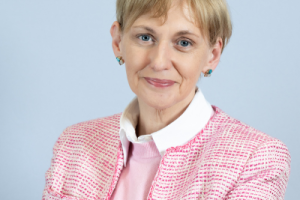
Professor Martin Green OBE, Chief Executive of Care England, welcomed the renewed focus on social care while emphasising that the success of the government’s plans will ultimately depend on delivery.
Professor Martin Green OBE, Chief Executive of Care England said:
“Care England warmly welcomes a Prime Minister who has chosen to spend the second week of his premiership standing in a care home and telling the country that social care matters, because a sector that had grown used to being an afterthought in Westminster has noticed the change in tone and has allowed itself to hope again.”
He added:
“What will decide whether this becomes the turning point the sector needs is the substance of the delivery that follows. Our members will want to know what will this look like and how it will be funded, and they will rightly want to see the ambition set out today matched by the money to deliver it before they can really believe that meaningful change is on the way.”
The National Care Forum (NCF) also welcomed the Prime Minister’s recognition of the workforce, highlighting the vital role that not-for-profit providers will play in delivering future reforms.
Vic Rayner OBE, Chief Executive Officer of NCF said:
“Social care is a vital public service, paid for by citizens and the public purse. Recognising, strengthening and growing not-for-profit care and support must be central to the development of a National Care Service. Not-for-profit providers are embedded in communities and deliver support that is rooted in local relationships, accountability and social purpose.
“It felt like a seminal moment to hear the Prime Minister’s positive and deeply personal contribution to today’s discussion. Too often social care is spoken about only through the lens of crisis and challenge. The PM rightly highlighted our fantastic workforce, including the incredible support provided by international colleagues. Bringing together the work on the Fair Pay Agreement and the skills agenda, he went further in his ambition to build an integrated workforce aligning health and care.”
Skills for Care echoed the importance of workforce reform, highlighting the need to improve pay while creating clear opportunities for career progression and professional development.
Professor Oonagh Smyth CBE, Chief Executive of Skills for Care said:
“It’s excellent to hear Andy Burnham promise to focus on the 1.5 million people working in adult social care straight away. Our people will be the heart and soul of a National Care Service – so we need a shared ambition to lift up these skilled professionals and offer clear career pathways, better progression opportunities and improved integration with health.
“The Prime Minister is absolutely right to recognise that improving pay for care workers needs to go hand in hand with wider workforce reforms. Better pay will help us attract and keep more people with the right skills and values, but it’s only by combining it with opportunities to develop and progress that we’ll truly be able to make adult social care a rewarding career in every sense.”
The Homecare Association welcomed the government’s ambition while stressing that reforming care at home must be central to creating a sustainable health and care system.
Dr Jane Townson OBE, Chief Executive of the Homecare Association said:
“We warmly welcome the Prime Minister’s determination to reform social care and to build public understanding and cross-party consensus. Fix care at home and you free up the GP appointment you cannot get and the hospital bed your family may one day need.”
She noted “The state’s role then changes from purchaser of minutes to guarantor of the system: it assesses, funds, prices, licenses, rates and holds to account, while the citizen chooses.
“We cannot move to that at scale overnight. The countries that deliver it built the foundations first, and so must we. That is why reforming how care is commissioned now matters so much – and why free personal care, on its own, is not enough. Free at the point of use must be funded at the point of delivery.
Learning disability charity Mencap also welcomed the commitment to accelerate reform, while calling for people with lived experience to play a central role in co-producing the future of social care.
Jon Sparkes OBE, Chief Executive of Mencap said:
“Accelerating Baroness Louise Casey’s work is the right decision. This is too important to risk kicking into the long grass. Time and again, we see heartbreaking cases where the right support simply isn’t there. The starkest example of this is where people with a learning disability and autistic people are locked away in mental health hospitals because they cannot get the right support in their community. Sometimes they end up locked away for years and years.
“We’re looking forward to the Big Conversation. It’s essential people with a learning disability are heard and that their views help to shape the future of social care. True reform can only be achieved when those with lived experience are central to the changes ahead.”
Technology provider PCS Group also welcomed the commitment to a more person-centred care system, highlighting the role that data and innovation can play in supporting reform and improving outcomes.
Kehan Zhou, Chief Executive Officer of PCS Group said:
“We welcome the Prime Minister’s commitment to a person-centred social care system, and to bringing forward the Casey Review. After years of short-term fixes, a considered, cross-party process is exactly what this sector needs. Change has always been about policy and funding. What’s been missing is evidence of what actually works, day to day, for the people receiving care. Social care and healthcare are two sides of the same system – pressure in one always shows up in the other – and connecting that data is what will make reform successful.”
Across the sector, there is clear support for the government’s renewed focus on social care. However, organisations remain united in their message that lasting reform will require sustained investment, meaningful partnership with the sector, and a long-term commitment to delivering the changes needed to improve outcomes for people who draw on care, their families, and the workforce.