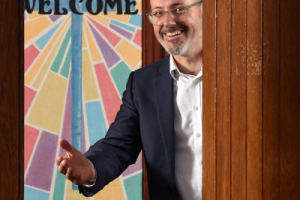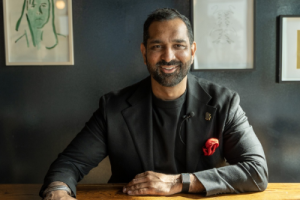

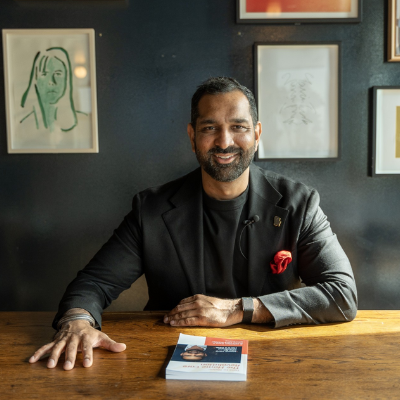

A new Prime Minister is now in office, but after decades of promises and delayed reform, has social care spent too long waiting for government to act? Amrit Dhaliwal, Chief Executive and Founder of Walfinch Home Care, argues that the sector’s future will be shaped not in Westminster but by the providers, carers and entrepreneurs already driving change.
Whoever it is that sits at Downing Street, they make the same promise to ‘save’ social care. Since Andrew Dilnot’s landmark review in 2011, successive governments have pledged reform, and yet providers find themselves no better off. Fifteen years is a long time to wait for permission to fix something almost everyone agrees is broken.
So, what if the sector stopped waiting? While Westminster deliberates, providers, carers and entrepreneurs across the country have simply got on with building the sector’s future without a green light from anyone. My own view, which I have never kept quiet about, is that government expects us to fix this ourselves. If done correctly, we can find success, stability, and make a meaningful impact in the lives of people who rely upon the social care sector.
Take home care, for example. Local authority budgets have been squeezed for well over a decade, and state funding was never designed to reach everyone who needs support at home. Into that gap has stepped private investment and entrepreneurship: franchised care businesses that combine local ownership with national standards, expanding capacity in towns and villages councils cannot fully fund alone.
Franchise owners live in the communities they serve. They can respond to a local shortage in weeks, not the years a national strategy takes to consult on, draft and fund. At Walfinch, that model now supports more than 500 active carers working from over 35 offices across the country, as of June 2026, many in communities where demand for home care outstrips what public funding alone could ever deliver. This growth was not commissioned by government but had happened because entrepreneurs decided home care mattered enough to build a business around it.
Every carer in post is means a person can stay in their own home rather than move into residential care they neither want nor, often, need. Every new office is a local decision maker who understands the area, not a national body working from a spreadsheet that can barely put faces to names.
The same logic applies to the workforce crisis, arguably the sector’s most urgent problem. In 2023, Skills for Care estimated more than 152,000 vacancies across adult social care in England alone, a gap no single policy announcement is going to close. But there is a mindset shift entirely within our control, right now: how we talk about the carer’s role. For too long, caring has been treated as low-skilled, entry-level work, something people fall into rather than choose.
That framing is not just wrong; it is actively pushing people away from a career the country desperately needs filled. A carer manages complex medication, notices the subtle signs of decline long before a GP appointment, and holds together someone’s independence and dignity. Carers transform lives. That is a skilled and rewarding profession, not a job of last resort, and it is the sector’s job to say so, clearly and often. The sooner a caring career sits on a par with nursing or teaching in people’s minds, rather than a stopgap job, the sooner recruitment stops being a crisis.
None of this means reform does not matter, or that government has no role to play. But too many providers, worn down by fee negotiations, staffing pressure and compliance demands, have had little energy left to shape how the sector is seen or regulated. Social care has been in survival mode for decades, and it shows. If we want different assumptions about care, from families, commissioners and future carers alike, we have to be the ones who challenge them, in public, consistently and as one voice.
In ten years, I suspect people will look back and wonder why it took a whole generation of providers this long to say the plainest thing of this decade: nobody was going to hand social care its future. We were always going to have to build it ourselves, one provider, one carer and one career at a time. The sooner more of us stop waiting for permission, the sooner we stop calling this survival, and start calling it what it actually is: a revolution, already under way.