
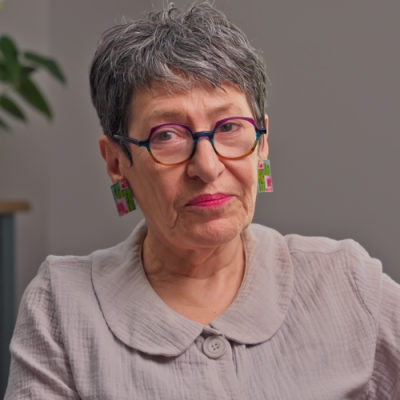

Dr Ros Taylor MBE explores the courage, compassion and collaboration needed to lead meaningful palliative and end of life care.
Leadership in palliative care is difficult because nobody wants to talk about mortality. We live in a society where natural death at the end of a long life has disappeared from view. Death anxiety is everywhere, unfamiliarity breeds fear and we believe we are immortal. I met a 95-year-old in clinic who had recently been diagnosed with pancreatic cancer and his first question was: “Why me doc?” I had no words to answer.
So the first value that I try to model at the heart of palliative care is courage.
Courage to have brave conversations about what matters to people. Conversations about what might happen in the future. Conversations about who is important to them and where they would like to be if their health deteriorates. These sound such simple questions, but sadly are often asked too late for wishes to be met. In palliative care and social care, words are often our most precious and powerful tools.
We need to normalise talking about dying — in our workplaces, around our kitchen tables and in care home corridors.
I often say to people that if they are planning a holiday, they want to know where they are going, how they will get there, what the hotel will look like and what they need to take to make it the best experience. The same is true about future healthcare.
If the right conversations do not happen, people are likely to end up having an attempt — often a brutal attempt — to restart their heart at the end of life, when actually they may have wished to die peacefully in their own bed surrounded by those they love.
The next value is being thoughtful. Perhaps this is another word for empathy — trying to see the world through someone else’s eyes.
I have learnt that people want to be seen as who they really are. They do not want to be seen simply as a frail older person in a care home bed. They want to talk about their life, who and what still matters to them, and they want to reminisce, be heard and understood.
I remember looking after a nurse who was dying. She wanted her carers in the care home to understand that she had views on the best way to look after her — how to help her pain and how to turn her to prevent pressure ulcers. She wanted to be a partner in her care and to be understood that she had a lifetime of nursing experience. She needed to be valued for who she was, and this is what underpins dignity at the end of life.
So in the palliative care meetings that I lead, we always begin with a pen portrait of the person — trying to capture who they are rather than simply describing their diagnosis and symptoms.
Being responsive is the third value. This is critical when listening to a patient story, hearing the nuance and listening without an agenda.
When I meet a patient for the first time, I may have an agenda that pain is the most important thing to discuss, but then I quickly learn that actually the most important thing to that person in that moment is that they want to reconcile with their son who has been estranged.
Recently, I spoke to a group of carers in a local GP surgery about palliative care and the experience and expertise in the room was phenomenal. These were carers of loved ones with dementia, advancing cancer and heart failure, and between them they made excellent suggestions about how they would like to be kept informed, concerns about knowing which number to ring for different problems, and how they would like their doctors and nurses to respond to them.
They did not want empty promises.
Listening and responding to those who know more than we can ever know is a crucial part of leadership in social care.
The final value at the heart of palliative and social care is collaboration.
Collaboration with frontline social care workers is essential. They notice relationships and the small bodily changes. They are full of intuition, but often the last to be involved in care planning meetings or training programmes.
Collaboration in care means not just working with professional colleagues, but also with the people and families we are caring for. There is often a professional network of carers, nurses, physiotherapists and doctors, but there is also — perhaps more importantly — a network of family, friends, colleagues and neighbours.
These networks need to work together and merge to become a much stronger system, ensuring the best possible experience and outcomes for somebody who is dying.
So courage, thoughtfulness, responsiveness and collaboration are values that have underpinned my practice in caring for people approaching the end of life.
What we know is that by 2040, most of us will end our lives in a care home, so it is critical that social care staff feel equipped and supported to help residents and families feel less alone. We need to build on what social care staff already do so well, but recognise it and bring it out of the shadows.
Dame Cicely Saunders, founder of the modern hospice movement, reminded us that people matter until their last breath, and that how people die lives on in the memories of those left behind.
It is both an opportunity and a responsibility of social care to ensure those memories are good ones — memories of safe, brave and responsive care at the end of life.
We cannot fix dying, but we can sit with the dying more confidently.
My call to action is simple: start the conversations about dying early, before people are forced into them by crisis. In doing so, we can help people live well to the end of their lives.