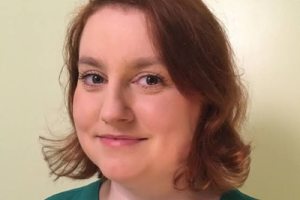

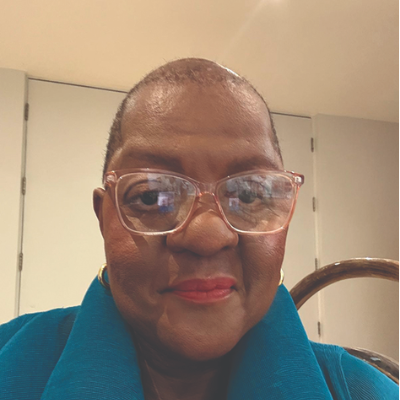

Families bring knowledge that no care plan can fully capture—but being a partner should not mean becoming the safety net for an overstretched system. Kaddy Thomas, Founder of Carers Collective, draws on her experience of care and caring to explore trust, responsibility and boundaries.
Families often know the person receiving care better than anyone. We know what makes them anxious, what reassures them, how they communicate, what a “normal” day looks like and when something simply isn’t right.
That knowledge is invaluable. But when families become care partners, where does our responsibility begin and end? How do we make sure partnership doesn’t become an expectation that we will fill the gaps left by health and social care?
For me, these questions are deeply personal. When I was one, my mother placed me into care after medical professionals described me as “mentally retarded”—language used at the time, 58 years ago. I was born with Apert Syndrome and grew up between foster homes and residential care. My mother, originally from The Gambia, was just 22, with no family network in the UK apart from one brother. There was stigma, very little support and my mum was on her own.
In 2006, I was 38 when my son Elijah was born with Apert Syndrome. At two years old, he suffered a catastrophic brain injury, leaving him with complex health and care needs.
I found myself largely alone, too. I was dealing with my own emotions alongside the physical reality of caring. His father didn’t want to know, and I didn’t have support from his family or anyone close to me. It was an emotional, lonely and isolating road.
Nearly 20 years later, I have worked with countless health and social care professionals. Much has changed, but one question remains: how do we create genuine partnerships rather than separate systems working around the same person?
Families bring their own expertise
Families may not have professional qualifications, but we bring something equally important: lived experience. We know the person’s history, their needs, their communication and what works for them.
That does not mean professionals should simply hand responsibility over. Good partnership means asking families what we know, what we can realistically contribute and what support we need. It means respecting professional expertise alongside family expertise, particularly when decisions about care are being made.
I am currently challenging a proposal by an Integrated Care Board to replace registered nurses involved in Elijah’s care with healthcare support workers. Given his complex medical needs, I believe removing registered nursing expertise could create risks and mean important changes in his health are missed. I am not trying to take the place of a professional. I know my son well enough to question a decision when I believe it could affect his safety.
When partnership becomes pressure
Family involvement can become difficult when emotions run high. I have experienced this myself. Over thirteen years ago, I would shout and swear. Nobody listened and I was judged. The message got lost. Prolonged stress, fear and responsibility can make it difficult to communicate calmly. Coaching and support helped me develop a different approach. Now I can have difficult conversations with professionals without it becoming a confrontation.
Being heard does not mean every decision will go the way a family hopes. It means knowing our concerns have been considered, understanding the reasons behind decisions and having a clear way to raise questions. Without that, even a well-intentioned care arrangement can leave families feeling excluded from their loved one’s life.
When a family member appears angry or challenging, ask what sits underneath that behaviour. Is it fear? Exhaustion? Previous experiences of not being listened to? Trauma? Boundaries work both ways. Families need to respect professional expertise, but professionals also need to recognise the enormous pressure a distressed carer may be experiencing.
Perhaps the biggest challenge is when families are expected to absorb the consequences of gaps in formal care. In September 2026, Carers UK reported that an estimated 1.1 million people had left employment to care in the previous two years—around 1,500 people every day. One in five UK workers now has an unpaid caring responsibility.
These figures tell us something about the wider care ecosystem. When professional care is reduced or unavailable, families often step in because there is no alternative.
But our willingness to care should never be mistaken for unlimited capacity.
There can also be tension between what a person wants and what their family believes is safest. Someone may reject additional support while their family worries about what will happen. We must respect the person’s right to make decisions where they have capacity, without simply leaving families carrying the consequences.
We need open conversations. Are they afraid of losing independence? Do they dislike having strangers in their home? Could support be provided differently? Good care creates space to discuss choice, safety and what families can realistically offer.
Building a network around the person
At Carers Collective, we believe the answer is families, professionals, communities and the person receiving care working together. That requires communication, mediation when relationships break down, and support for carers themselves, including respite and programmes that develop confidence, resilience and healthy boundaries.
The proposed National Care Service offers an opportunity to rethink these relationships. Whatever the final shape of reform, families should be partners in care, not substitutes for care.
We need a network where professionals bring their expertise, families bring lived knowledge and communities bring connection, with the person receiving care at the centre. Families should not have to fight to be heard. And we should never have to become the entire care system simply because nobody else is there.