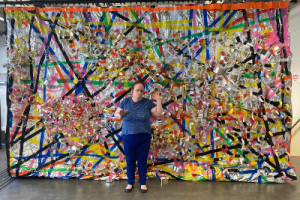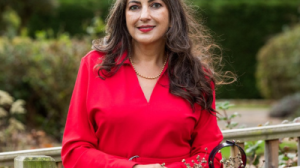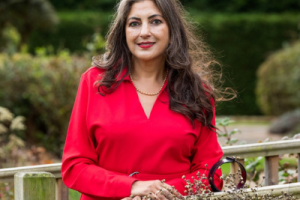

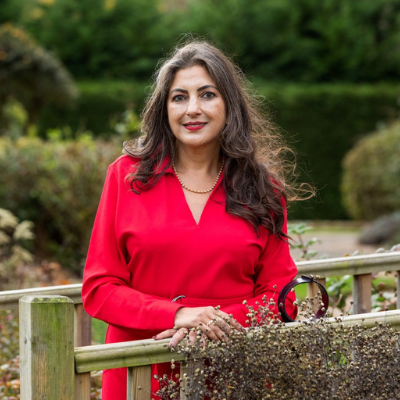

Each month we meet key stakeholders and business leaders and healthcare partners in the social care sector. This month we meet Umbreen David, Managing Director of Hoama Group and owner of Iden Manor Nursing Home in Staplehurst.
What first drew you to a career in social care?
I came to health and social care by chance, when I was asked to join my parent’s care home business on a temporary basis. I soon realised I had found my calling.
Social care brings together many of the things that matter most to me: dignity, independence, belonging, quality of life in later years, the opportunity to make a lasting difference to someone’s life and the responsibility to serve the wider community.
How has your lived experience of disability shaped your leadership?
My disability has shaped almost every aspect of the way I lead. There are times when my body imposes limitations on me, so I have learned to adapt, find another route and focus on what is possible.
“Cannot” has never felt like a satisfactory answer. There may be challenges, delays or moments when the original plan must change, but I will always look for a workable solution. That determination has helped me in business and deepened my empathy. I understand that people do not need others to make assumptions about their abilities. They need the right environment, support and opportunity to flourish.
It has made me a more thoughtful and inclusive leader, one who listens, notices barriers and values different perspectives.
What does great care look like to you?
Person-led care means understanding the whole person, including the relationships that are central to their identity and wellbeing. Great care therefore recognises and supports the person’s wider next-of-kin network. Family members and others close to them often hold valuable knowledge about their history, preferences and routines, while also navigating significant emotional and practical pressures themselves. Listening to them, communicating openly and involving them appropriately builds trust, strengthens continuity and helps everyone work together around what matters most to the person.
Ultimately, great care helps someone feel secure, respected and valued while continuing to live in their later years; not simply exist.
What has been your proudest achievement so far?
Bringing Meadow View Care & Living to life is undoubtedly one of my proudest achievements.
Meadow View represents far more than a new care development. It brings together everything I believe about excellent care, enabling environments, hospitality, community connection and quality of life. Reaching this point has required resilience, determination, investment, careful planning and the ability to keep moving forward when the easier option might have been to stop.
A particularly important part of that vision is creating a community for older Deaf people whose first language is British Sign Language. By bringing together thoughtful design, professional expertise, lived experience and Deaf staff who use BSL, Meadow View can create a service in which communication, culture and belonging are built in from the outset.
Why is disabled leadership so important to you?
Disabled people bring valuable lived experience, adaptability, creativity and problem-solving ability to leadership. We often spend our lives navigating systems and environments that were not designed with us in mind. That teaches you to look at challenges differently and to keep finding workable solutions.
However, disabled leadership is still too often viewed through the lens of inspiration rather than expertise. Disabled people should be recognised not simply for overcoming barriers, but for the knowledge, commercial ability and leadership qualities they bring.
What would you like to see change across social care in the years ahead?
I would like social care to be recognised as vital social infrastructure, rather than something considered only when a family reaches a crisis.
Social care supports people to return home or move into appropriate care when acute hospital treatment has ended, relieves pressure on the NHS and sustains communities. Its value should be understood long before a family reaches the point of urgent need.
We need sustainable funding, greater recognition for the workforce and more joined-up thinking between health, social care, housing, technology and local communities. We must also become better at designing services around the lives people want to lead, rather than expecting people to fit around existing systems.