


As innovation in dementia care increasingly focuses on technology, Gina Jones, Founder of Always Active, argues that exercise, social interaction, cognitive stimulation and human connection remain some of the most powerful tools for supporting people living with dementia.
When people think about “cutting-edge” or sector-leading dementia support, technology-based innovations often come to mind—home monitoring systems, interactive AI tools and other digital solutions. At Always Active, however, we focus on more traditional approaches: regular exercise, social interaction and cognitive stimulation. While these methods may not rely on technology, they are deeply person-centred and, in our experience, highly effective.
I initially started Always Active to support my late father-in-law. Following the death of his wife and the progression of his blindness, he became increasingly isolated, with very limited opportunities to socialise independently. It soon became apparent that many of the people attending our groups were experiencing similar isolation as a result of dementia. Many had lost confidence, felt embarrassed by their condition or experienced significant anxiety in social situations. With this in mind, we structured our service to support, empower and reconnect those individuals.
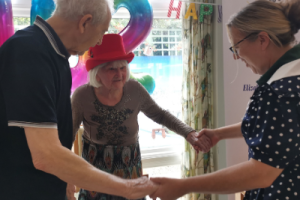
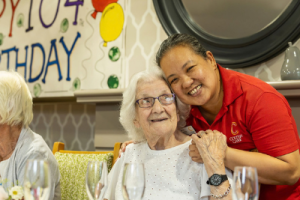
Our groups focus on friendship, belonging and connection—both within the group itself and with the wider community. Many of the people who attend our groups have reduced their social outings because of a loss of confidence, so we have developed partnerships with local schools and day nurseries to create meaningful intergenerational connections. We design activities that are inclusive, engaging and enjoyable for everyone involved.
Despite the progressive nature of dementia, we have repeatedly seen people regain skills and confidence through participation in our activities. Individuals who once struggled with number recognition and required support are now able to play cards and dominoes independently. People who were once withdrawn and shy now contribute to conversations and actively engage with others.
Our work also supports carers. Many carers are able to take a break from their role and enjoy valuable time for themselves. Often, carers feel guilty about accessing support services, but knowing that their loved one is safe, happy and genuinely enjoying themselves helps to ease that burden. The experience becomes positive for everyone involved.
During the Covid-19 pandemic, we initially closed our doors and instead provided weekly phone calls and activity packs. However, it quickly became clear that this was not enough. Many caring relationships were under immense strain and close to breaking down during lockdown. The local authority recognised our role as an essential service, and we were able to reopen with modified arrangements and strict infection-control measures in place. Most of our regular attendees continued to attend and, remarkably, we remained infection-free throughout. On a personal level, I moved out of my family home for several months while continuing to work in groups in order to protect an immunocompromised family member.
Looking ahead, I believe technological advances in dementia care have an important role to play. Innovations such as home-monitoring systems, assistive technology and interactive digital tools can help people remain safer, more independent and better connected to support. These developments have the potential to greatly improve quality of life for both people living with dementia and their carers.
However, my experience over the last ten years has shown me that technology works best when it complements—rather than replaces—personal interaction and human connection. Meaningful shared experiences, friendship and compassionate support are what truly make people feel included, valued and cared for.
At Always Active, we have seen first-hand that compassion, community and connection remain among the most powerful forms of support available to people living with dementia—and to those who care for them.