

How one nurse turned her family’s experience of cancer into a pioneering initiative helping people with learning disabilities recognise changes in their health and speak up sooner.
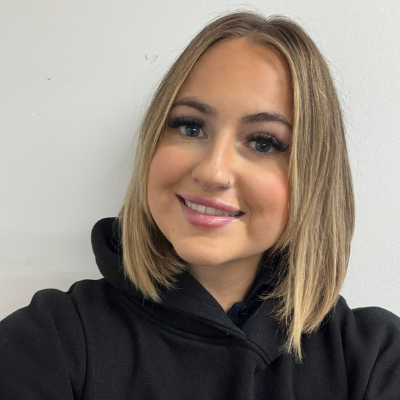
For Holly Hunt, Senior Mental Health Nurse at Cygnet Cedars, tackling health inequalities for people with learning disabilities is more than a professional passion. It is deeply personal.
Last year, Holly’s aunt Michelle, who has learning disabilities, was diagnosed with breast cancer after symptoms had gone unnoticed for months.
Michelle had struggled to communicate that something was wrong and had been covering a wound with plasters without telling anyone. It was only when a support worker noticed the issue and raised concerns that further investigations began.
By the time Michelle received treatment, she required major surgery.
Doctors discovered large tumours measuring 8.5cm and 5cm. Initial biopsies came back as non-cancerous, bringing huge relief to Holly and her family, who shared the positive news with Michelle.
However, because of the size of the tumours, doctors recommended a precautionary mastectomy. Further testing following surgery revealed that the tumours were, in fact, cancerous. Michelle then needed further surgery to remove lymph nodes, followed by radiotherapy.
For Holly and her family, the experience was devastating. It also brought home just how easily signs and symptoms can be missed when someone finds it difficult to recognise or communicate changes in their health.
Holly said: “Michelle is one of the most independent, kind and joyful people you could ever meet. Watching someone you love go through something like that was incredibly difficult.
“It made me realise that it didn’t have to get to the point where she needed such extensive treatment. Earlier intervention could have made such a difference.”
That experience strengthened Holly’s determination to improve cancer awareness and access to screening for the people she supports.
At Cygnet Cedars, a complex care service for men with learning disabilities, Holly recognised that some people may struggle to identify changes in their bodies or explain when something does not feel right.
Working alongside colleagues, she helped develop accessible, easy-read cancer awareness and screening tools to help people better understand their bodies and recognise symptoms or changes that may need medical attention.
The initiative forms part of Cygnet Group’s wider Cancer Awareness and Prevention Campaign and has already made a tangible difference.
After using the resources, two people supported at the service came forward with concerns after discovering lumps. Both were able to access GP support quickly and receive treatment.
Thankfully, neither case was cancer-related, but for Holly, the fact that they felt able to recognise a change and speak up demonstrated exactly why the work matters.
She said: “If someone doesn’t understand what they’re being asked, how can we expect them to answer honestly?
“We’ve already seen the impact these tools can have. Two people spoke up, they were listened to, and something that could potentially have been missed wasn’t.
“That’s what nursing is all about, helping people feel heard and making sure nobody slips through the cracks.”
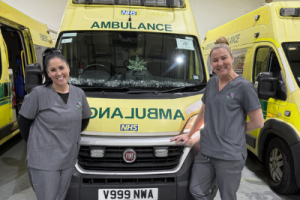
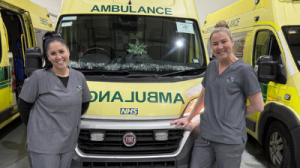
Holly’s work, alongside colleague Nimo Nuur, led to the pair being shortlisted in the Learning Disability Nurse Award category at the National Learning Disabilities and Autism Awards.
But the real measure of success is what happens beyond awards and recognition: people becoming more confident in understanding their own health and feeling able to tell someone when something is wrong.
Holly hopes the work will continue to reduce health inequalities and improve outcomes for people with learning disabilities. For her, accessible information and the right conversation at the right time can make an enormous difference – and could ultimately save a life.
“Sometimes it’s the small conversations that make all the difference,” she said.