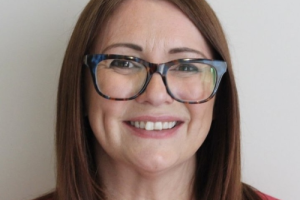


Debra Edwards is a former midwife living in North London. She was a co-production champion for a project called Technology for our Ageing Population: Panel for Innovation’ (TAPPI) and volunteers for a number of organisations including her local church, where she helps out at the food bank. Here she reflects on the promise and pitfalls of digital transformation — and why lived experience must shape the future of care technology.
Last year my GP surgery’s booking system went digital. To see a doctor, you have to go online, write what the problem is and they get in touch. That’s fine if you’re confident with tech, but some of my neighbours — people who are older or have disabilities — felt they were being left behind. An alternative was found where surgery staff made the online appointment on their behalf, but it didn’t work well. My neighbours told me staff were impatient and they felt like a burden.
We had a similar situation with my landlord’s repairs system. When something breaks in my flat, I call to report it, but over the last year I’ve had to wait longer to get through. The council wants people to report repairs online and they’ve scaled down their call handlers. We raised this at a residents’ meeting, explaining that repairs reporting had to be more accessible. The council listened, and they’ve added more call centre staff. It felt empowering to have my voice heard, particularly as someone who draws on care. But it doesn’t happen enough, especially around technology.
Don’t get me wrong, digital has made a serious difference to my life. I volunteer at a large foodbank and as a wheelchair user, devices help me do things most people take for granted. I use a voice assistant to open my curtains and put on the lights. AI helps me respond to emails and apply for a disabled parking space. In my old flat, I opened the front door with a tablet and a care tech system called for help if I fell.
It makes sense that digital is the starting point for care, health and housing. But good non-digital options must be available to those who need them. Crucially, technology must not replace people and the vital role they play in care. When I was suffering with poor mental health, it was a care professional who visited and encouraged me to get help. For my neighbours, it’s the in-person conversations they have with social workers, physios and carers that are vital to their health and wellbeing.
If you haven’t used care services yourself, it’s hard to grasp the reality of navigating all the pathways. That’s why people with lived experience must be involved when digital services are designed. It makes sense practically, commercially and morally.
But I often think the older or more disabled you are, the more invisible you become. There is a preconception that you will complain, take up time or won’t say anything valuable. And that’s why people with lived experience — the absolute experts here — are not engaged enough when digital services are developed. Instead, professionals make decisions on our behalf, like making things digital by default with no offline alternatives. If this continues, digital transformation will make existing inequalities worse.
Co-production is one way to help. It’s about co-designing services with the people who will use them — moving from consultation to genuine partnership. Practical guidance already exists, but what matters most is the willingness to listen and act on what people say.
Digital care will only work if it’s shaped with the people who rely on it most. When lived experience is valued, services become fairer and they work better. It’s time to make co-production the rule, not the exception.
Further Reading
- TAPPI – Technology for our Ageing Population: Panel for Innovation
A national programme exploring co-produced approaches to technology-enabled care.
tsa-voice.org.uk/tappi - TEC Action Alliance – Getting Started in Co-Production
Practical guidance on embedding co-production in technology-enabled care services.
tecactionalliance.co.uk - TSA – Technology Enabled Care Services Association
National advisory body for technology-enabled care, providing sector guidance and resources.
tsa-voice.org.uk