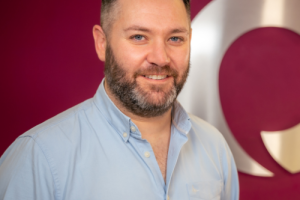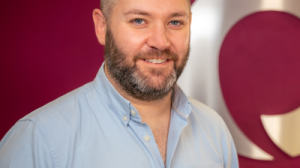

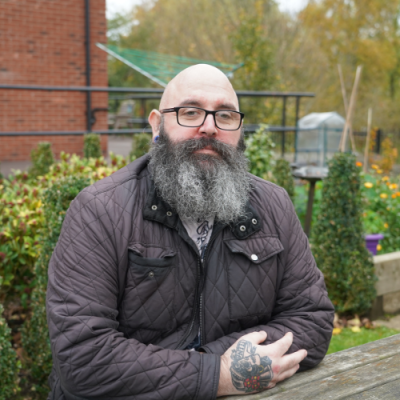

After 20 years working the doors of Birmingham’s busiest nightclubs, Stephen Lunn discovered his greatest strength wasn’t crowd control — it was caring for people at their most vulnerable.
For two decades, Stephen was a steady presence in the chaos — reading situations before they escalated, keeping people safe and guiding crowds through some of Birmingham’s busiest nights. It was fast, it was loud, and it was his bread and butter.
What he didn’t realise at the time was that he was already developing the very skills that would one day lead him somewhere entirely different. When nightlife paused in 2020 and security work dried up, Stephen took a job at his local A&E, thinking it would simply tide him over. Instead, it changed the direction of his life.
Inside the hospital, Stephen discovered something he hadn’t stopped long enough to notice — his gift for supporting people at their most vulnerable moments. He found himself talking quietly with people suffering mental health crises, helping autistic patients feel calmer, listening — really listening — to people who felt frightened and overwhelmed.
“I realised I was good at putting myself in their shoes,” he said. “Trying to understand where they were coming from, not judging, just being there.”
It didn’t go unnoticed. A colleague gently suggested he consider a role in care, which Stephen laughed off at first — but he couldn’t shake the idea. A few months later, when a job came up at Lifeways’ Stourside supported living service, he applied on instinct.
From day one, Stephen felt something he hadn’t felt in years: a sense of purpose.
“The people here are amazing,” he explained. “The team, the training, the support — if you don’t know something, you can just ask. There’s always something new to learn, and everyone genuinely wants you to succeed.”
A year in, the work feels less like a job and more like a calling. The pace is calmer than his old nightlife world, but the impact is deeper. One of the people he supports even asked him personally to become his key worker — a moment Stephen described as “a real privilege.”
Helping people live fuller, more independent lives has changed Stephen too. With his own son now going through an autism referral, he says the role has given him a richer understanding of neurodiversity and a huge amount of empathy.
“If my presence can improve someone’s day, even a bit,” he said, “that means more to me now than anything I ever did on a nightclub door.”
Stephen isn’t finished growing, either. He’s already looking ahead to new skills, new training and potentially a Team Leader role. For a man who spent 20 years guiding people through queues and crowds, the journey has led somewhere unexpected — a place where he’s not just keeping people safe, but helping them thrive.
“I haven’t looked back,” he said. “This feels like where I’m meant to be.”