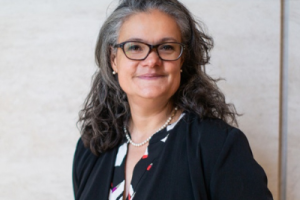



Geoffrey Cox, Managing Director of Devon care provider Southern Healthcare, argues that living well with dementia depends on more than services—it requires connection, understanding and a continued sense of belonging.
For decades, the response to dementia has largely been built around services, with assessments, memory clinics, care packages, specialist nurses and care providers all playing an important role. Yet despite this seemingly adequate infrastructure, many people living with dementia are not well supported because of limited resources and facilities, alongside a culture that can still be prejudiced against them.
After more than 25 years operating nursing homes across Devon—and specialising in dementia care for 17 of those years—we have seen first-hand that living well with dementia is not determined solely by the quality of services available. It is shaped just as much by relationships, attitudes and the extent to which people remain connected to the communities they call home.
The challenge begins when someone receives a dementia diagnosis. Society often starts to see the condition before the person. For the individual, this can mean expectations change, confidence is lost—both by them and those around them—and social circles begin to shrink. In this way, many people living with dementia become disconnected from the people and places that give their lives meaning long before their condition progresses.
One of the greatest challenges facing dementia care is that responsibility is spread across numerous organisations and individuals: the NHS, local authorities, mental health services, GPs, home care providers, residential care providers and voluntary organisations. The result is a fragmented system that can be difficult to navigate.
Supporting someone to live well with dementia cannot be the responsibility of any single organisation. It should be a shared responsibility between care providers, families and wider society. Only by working together can we build systems that support people to live fulfilling lives, rather than systems that simply manage dementia as though it were a problem. Dementia care is strongest when formal and community support work hand in hand.
For the past 13 years, Southern Healthcare has embraced the Butterfly Approach developed by dementia care specialist David Sheard. Based on the pioneering work of Professor Tom Kitwood, the approach focuses on understanding feelings, relationships and emotional wellbeing, rather than simply responding to clinical needs. Its central principle is straightforward: “feelings matter most”—and they really do.
Qualifications, procedures and assessments are important, but they are not enough on their own. Environments built around positive relationships consistently produce better outcomes than those built solely around routines and tasks. When people feel understood, valued and emotionally secure, they are more likely to remain engaged in life and experience a greater sense of wellbeing.
The same principle extends beyond care settings. Communities that understand dementia and respond with patience, kindness and acceptance enable people to continue participating in everyday life for far longer than many assume possible.
A truly dementia-friendly community is one where people living with dementia continue to be seen, heard and included. It is a place where shopkeepers, neighbours, businesses and public services understand enough about dementia to respond with confidence rather than discomfort. People are not defined by their diagnosis but recognised for their continuing contribution and value.
Unfortunately, many people living with dementia still feel patronised, excluded or treated differently following diagnosis. In some respects, society has become better at talking about dementia, but more needs to be done to ensure we continue to engage meaningfully with those living with the condition.
This requires a cultural shift towards acceptance, empathy and inclusion. Do we listen intently? Do we avoid judgement? Do we treat people living with dementia with trust, love and kindness? Too often, I would argue, we do not support them well enough. We continue to tolerate ageism and dementia-related prejudice, with negative assumptions shaping how people are treated after diagnosis.
Care and nursing homes have a significant role to play in strengthening communities—by inviting communities into our homes as well as supporting residents to remain part of life beyond them. Far too often, care homes are viewed as destinations people move to when community life ends. We believe the opposite should be true. Care homes should act as community assets, bringing people together rather than creating barriers.
At Southern Healthcare, local schools, volunteers, community groups and families regularly spend time with our residents, and everyone benefits. Residents maintain meaningful connections, while those around them develop a greater understanding of dementia. Through events, community outreach and relationships with local people, our nursing homes have become valued parts of the communities in which they are based.
The closer we bring communities and residents together, the more we normalise dementia and challenge the isolation so many people experience. It is about creating environments where people feel respected, valued and loved.
Living well with dementia is not simply about receiving care—it is about continuing to belong.