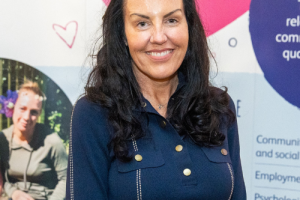


Ryan Brummitt, Executive Director of Support at Advance, a provider of specialist supported housing, reflects on how environmental ambitions can be delivered in ways that support — rather than strain — care services.
In its 2026 outlook for the UK health and social care sector, NatWest highlights growing pressures on the horizon as demand rises alongside regulatory scrutiny and technological change. When these factors sit alongside existing economic, financial and workforce challenges, it is easy to see why sustainability goals can sometimes feel like just another compliance demand placed on already stretched services.
Green sustainability is rapidly climbing higher on organisational agendas, with increasing expectations around carbon reduction, energy efficiency, waste management and sustainable procurement. Within supported housing and care services this can translate into new reporting requirements, property upgrades and changes to everyday practice. For frontline colleagues already supporting people with complex needs, these additional expectations can feel like one more demand layered onto already busy roles.
The real risk, however, is not the green agenda itself. The greater risk lies in allowing responsibility for sustainability to drift downward without the systems, training, investment and leadership ownership needed to support it. Environmental sustainability must begin at strategic level. Decisions about asset investment, heating systems, insulation, energy contracts and fleet management are leadership decisions and should never become informal tasks absorbed by support workers without clarity or resources.
It is also important to recognise that sustainability in care extends beyond environmental targets alone. A service that is financially unstable, digitally fragmented or constantly firefighting workforce shortages cannot realistically claim to be sustainable. True sustainability connects environmental responsibility with operational resilience and organisational stability.
Technology has an important role to play in achieving this balance. As the NatWest 2026 outlook notes, “Technology is no longer a ‘nice to have’.” Barrie Davison, NatWest Head of Public Sector, captures the shift clearly: “Digital transformation isn’t about gadgets; it’s about building smarter, safer and more sustainable care models.”
When used well, digital systems help deliver sustainability without adding pressure. Tech-enabled services can reduce paper use, streamline documentation, support remote auditing and improve data transparency. Management information becomes clearer and more timely, enabling leaders to track energy performance, compliance trends and resource use more effectively. Customer information can be accessed in real time, reducing duplication and unnecessary administrative effort.
When digital infrastructure works properly, it also gives time back to frontline teams. That reclaimed time can be reinvested in meaningful, person-centred support. Sustainable care should not be about adding new green tasks to daily routines; it should be about designing systems that reduce waste, improve efficiency and enable better decisions.
In disability and mental health services, sustainable care in practice may involve energy-efficient buildings, thoughtful procurement and reduced environmental impact. But it must also include protecting workforce wellbeing and service quality. Pursuing environmental targets without recognising operational realities risks undermining the very services sustainability is meant to protect for the future.
Leadership visibility is therefore critical. Senior leaders must remain accountable for balancing environmental ambition with the practical realities of service delivery. Governance structures should absorb complexity rather than create it, and environmental performance should be monitored alongside quality and financial indicators rather than treated as an additional layer of compliance.
Looking ahead, sustainable care requires three key foundations: investment in greener infrastructure, digital systems that reduce duplication and waste, and leadership approaches that shield frontline teams from unnecessary burden while enabling them to contribute meaningfully.
Environmental sustainability is essential for the long-term future of care services. But it must strengthen organisations rather than stretch them. When embedded through strategy, infrastructure and thoughtful system design, sustainability becomes part of delivering resilient, high-quality and genuinely person-centred support.