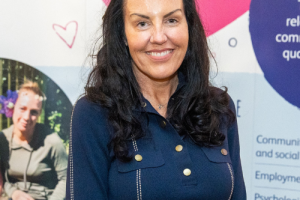


Claire Callaghan explains how, drawing on Skills for Care resources, embedding sustainability into culture, leadership and everyday behaviours can strengthen care and build more resilient organisations.
When you think about sustainability in adult social care, what comes to mind? Extra cost, another policy, or something teams won’t prioritise? In a sector already under pressure, it’s easy to see sustainability as an added burden — separate from the real work of care.
But what if sustainability isn’t an “extra” at all? What if it’s about how we lead, how our teams think, and the everyday behaviours that shape quality care?
Within the Care Quality Commission’s Well-Led framework, providers are asked not only to understand their environmental impact, but to actively reduce it and support others to do the same. This is not just about compliance — it’s about culture. Done well, sustainability strengthens person-centred care, supports staff wellbeing, and builds more resilient services.
The challenge is not knowing what to do. It’s embedding it into how we work every day.
To really embed sustainability, we need to understand its three core components:
- Environmental Sustainability: energy use, reducing waste, emissions, resource consumption.
- Economic Sustainability: creating financial resilience, reducing wasteful cost, improving efficiency.
- Social Sustainability: supporting the workforce, strengthening community links and enhancing wellbeing.
Sustainability in social care needs all three; if one component is weak, the others will struggle.
One of the biggest challenges is helping teams see sustainability not as a “green initiative” but as good practice. Leaders can make this easier by connecting sustainability to things staff already care about: comfort for residents, smoother workflows, a less stressful environment, and a sense of pride in the home.
This means weaving sustainability into daily routines rather than launching grand campaigns. Small, familiar actions can make the biggest difference:
- Turning off equipment and lights when not in use.
- Reducing food waste through better menu planning and accurate portioning.
- Choosing longer-lasting, repairable products instead of disposable ones.
- Planning travel and rota arrangements to avoid unnecessary journeys.
- Using digital systems to reduce printing and paper waste.
These micro-habits don’t feel like extra work, they feel like working more thoughtfully.
Policies alone don’t change behaviour; culture does. For sustainability to take root, teams need to feel that it’s part of who the organisation is, not a one‑off project.
Leaders play a crucial role by modelling simple behaviours: mindful purchasing, reducing waste, using digital tools, or checking whether something can be repurposed before replacing it. When staff see these habits consistently, they become the norm rather than the exception.
Crucially, many sustainable ideas come from frontline workers. They’re the ones who notice which bins are always overflowing, which equipment rarely gets used, or when lights are left on. Involving them in problem-solving empowers the workforce and helps create a culture where sustainability feels like shared ownership – not a top‑down expectation.
A sustainable culture is not about doing more with less; it’s about removing waste, frustration, and inefficiency so everyone can focus more on care.
Embedding sustainability into workforce development ensures it becomes part of everyday thinking. Practical training can include:
- Understanding environmental impact and simple daily actions that reduce it.
- Reducing waste linked to stock management, PPE, or food.
- Encouraging staff to think critically about travel, deliveries, and shift patterns.
- Using supervision or team meetings to reflect on small improvements.
Skills for Care has been helpful in framing this within leadership and culture development. Their Well‑Led resources and guidance support organisations to build reflective, forward-looking teams who see sustainability as part of delivering excellent, person‑centred care.
Sustainable practice doesn’t need to cost more. In fact, many changes save money:
- Switching to LED lighting or installing simple timers.
- Minimising single-use items where safe and appropriate.
- Reviewing procurement to prioritise durable goods and reduce delivery frequency.
- Growing herbs, vegetables, or flowers with residents to support wellbeing and biodiversity.
- Reducing printing by defaulting to digital tools.
- Recycling old tech responsibly and refurbishing items where possible.
These changes may seem small, but when adopted consistently, they create meaningful impact.
Some worry sustainability will complicate care, but in practice it often enhances it. Warmer, better-insulated spaces are more comfortable. A less cluttered environment improves dignity and safety. Nature-based activities bring purpose and joy. Community partnerships reduce isolation. Even food waste reduction can boost nutrition by ensuring menus reflect residents’ real preferences.
Sustainability, at its heart, is about creating environments where people feel safe, valued, and connected.
Care organisations don’t need sophisticated tools to evidence sustainability. Simple measures can include:
- Energy usage before and after small changes.
- Amount of waste or recycling collected.
- Cost savings from changes in procurement.
- Staff suggestions implemented.
- Resident wellbeing outcomes linked to sustainable activities.
These measures show progress not only environmentally but socially, strengthening the narrative of a well‑led, reflective service.
Sustainability in adult social care is not an optional extra or a standalone initiative. It’s a reflection of how we lead, how we work, and the values we bring to everyday practice. When it becomes part of team culture — not just policy — it stops feeling like another task and starts shaping better care.
By focusing on small, consistent actions and empowering staff to take ownership, organisations can reduce waste, improve efficiency and create environments where people feel valued, comfortable and connected.
Ultimately, building a sustainability-minded workforce isn’t about doing more. It’s about thinking differently — removing what doesn’t add value, and creating the conditions for people and services to thrive.