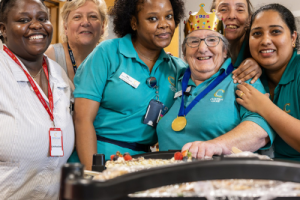


How one pioneering project is helping women rebuild their lives after child removal — breaking cycles of trauma through housing, therapeutic care and peer-led support when it is needed most.
For many women, the moment a child is removed from their care is the moment everything falls silent. Time stretches. Grief settles in. A part of them is now gone. Yet unlike other forms of loss, this one is rarely acknowledged, rarely mourned, and rarely supported.
In the UK, 55% of women in prison are mothers. For many of these women, the removal of a child is experienced as a bereavement‑level loss. This loss frequently compounds existing trauma rooted in childhood adversity, abusive relationships, poverty, or involvement with the criminal justice system. Yet despite the severity of this experience, mainstream services are not designed to respond to its emotional, psychological, and practical aftermath.
The women affected are expected to move on, often without being provided a safe space to address their feelings — and so the cycle of trauma perpetuates. The absence of post‑removal care creates a damaging cliff edge, leaving women at heightened risk of homelessness, substance misuse, deteriorating mental health, exploitation, and further crisis. Without specialist intervention, many go on to experience repeat child removals, reinforcing trauma and increasing long‑term costs to public services.
However, even in darkness, there is always an opportunity for GROWTH.
The GROWTH project was developed in direct response to this unmet need. An innovative, trauma‑informed project designed to support women who have experienced child removal and the complex challenges that often accompany it, the project provides support at a time when it is most urgently needed and often least available.
Since launching in May 2024, the GROWTH project has demonstrated clear demand, receiving 64 referrals within its first months — the majority coming from voluntary and community organisations. This strong engagement reflects both the need for specialist provision and the trust placed in the model by local partners. Building on this early success, the project plans to expand its accommodation capacity from twelve to eighteen places, widening access to life‑changing support.
This project provides a second chance. Women describe the group as a “lifeline” and a place where they “stand tall again.” Early impact results show that 78% of women report improved physical and psychological wellbeing, while 89% have achieved enhanced housing security — outcomes which help reduce reliance on emergency services and support stabilisation.
Supporting women after removal is not only compassionate but preventative, reducing future child protection involvement and long‑term public cost. Providing stability, therapeutic intervention, and trusted relationships at this critical moment can interrupt cycles of harm, reduce future child protection involvement, and lessen reliance on emergency health, housing, and justice systems.
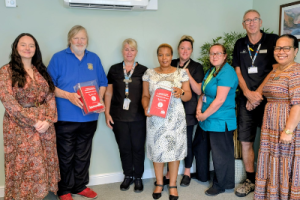
Target, the organisation delivering GROWTH, is uniquely positioned for this work. It is one of the few UK organisations specialising in this cohort and the only charity delivering this particular model. The organisation brings more than 30 years of experience supporting people facing severe and multiple disadvantage. Its gender‑informed and trauma‑informed approach has been refined through extensive insight, co‑production with women affected by child removal, and rigorous service development. The GROWTH pilot has been recognised nationally, earning commendation at the 2025 Housing and Care Awards and receiving support from MPs and sector leaders.
Despite its impact, the future of the project remains uncertain while funding bids are still pending. Nevertheless, the project aims to provide intensive support to a further 15 women and to engage an additional 50 individuals through its drop‑in sessions.
GROWTH provides a rare and vital service for women facing some of the most entrenched forms of disadvantage. Its combination of specialist accommodation, therapeutic support, peer connection, and partnership‑working creates meaningful pathways toward stability, empowerment, and improved wellbeing.
After child removal, many women feel that their journey is over. GROWTH powerfully proves otherwise.