

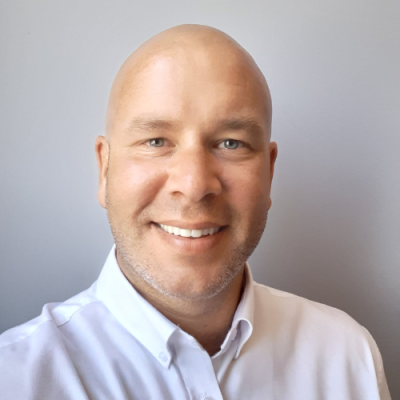

Gareth Roberts, Director of Quality at Lifeways, a provider of support for people with complex needs in the community, explores why real co-production is often challenging—and how embracing disagreement, complexity and honest feedback leads to better outcomes.
Co-production is a simple concept: bring people together, listen, agree and act. The reality of implementation is far more complex, challenging – and rightly so. When people with lived experience, families and team members come together, each brings their own perspectives, priorities and ways of communicating. Disagreement is normal and to be welcomed. At Lifeways, we do not view this as a problem, we see it as part of getting the right result – the work we are meant to do. Not just anyone can do it well.
At Lifeways, our Family Advisory Panel (made up of family members of the people we support from across the UK) regularly challenges us and keeps us accountable. If someone is courageous enough to tell us something uncomfortable, we actively listen without judgement to understand the “why” behind what they’re saying. When feedback is difficult, we look at the evidence and involve people in deciding what needs to change.
Navigating co-production in a way that feels fair and inclusive is crucial. Fairness begins with making sure every person can say what matters to them in a format that suits them. Through Lifeways’ ‘Our Voices’ we gather insight from local forums, house meetings, surveys, workshops, reviews and everyday conversations. Some people express themselves through writing, others through discussion or voting. Every method is valid.
From working with our Family Advisory Panel, Lifeways Executive Advisory Panel (LEAP) and our Quality Checkers, we know that it’s important to ensure the people who the decision affects the most, remains at the centre of what is being co-produced. When disagreements happen or co-production becomes particularly complex, we slow the pace and offer different ways to take part. Not everyone is comfortable attending a meeting or chatting in a large group, so we offer pre-discussion materials, smaller sessions or more time to reflect.
We are constantly looking at ways to improve how we feedback, especially through Lifeways ‘Our Voices’ and future peer led updates from LEAP members. Co-production should feel like an ongoing relationship rather than a one-off event.
What matters is that the process is respectful and that people feel heard and included. When views conflict, we take time to understand what’s motivating the conflict and try to find some common ground. People may not always agree with the collective decision, but we can always ensure people feel heard, respected and included.
We know from several of ‘Our Voices’ workshops held nationally that people with lived experience can find sharing their negative experiences daunting or emotionally difficult, which takes courage. Team members also then can experience emotional labour when they face criticism or must reflect honestly on their own practice. For us as a provider this means being open to criticism or having to let go of ways of working that are no longer effective.
Across all ‘Our Voices’ forums, whether with people we support, families or team members, we aim to build an environment of safety. When people feel safe to speak up, concerns appear early before they become bigger problems. It also shifts us from blame to genuine learning. People are far more willing to try new ideas, take risks, and challenge “how we’ve always done it”. Most importantly, decisions become easier to reach because they are shaped by real lived experience, rather than assumptions.
Co-production is difficult to do well. Yet the difficulty is what makes it powerful. When we allow open space for honest feedback, relationships improve because we’re working alongside people as equals. We create stronger partnerships, better support and life-changing outcomes, genuinely shaped by the people who achieve them every day.