
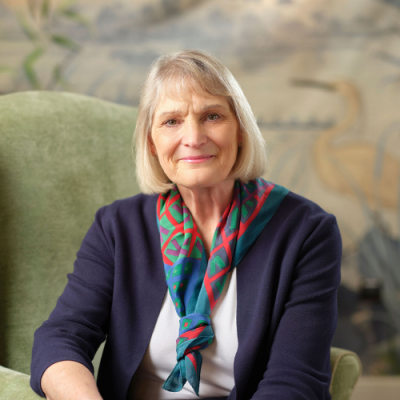

Suzanne Mumford, Director of Clinical and Dementia Care at KYN, a London-based collection of residential and nursing care homes, reflects on the complexity of dementia care, the gap between ambition and reality, and the concerns that continue to keep her awake at night.
What keeps me awake at night, or more accurately what wakes me in the early hours is the continued lack of understanding of the complexity, fragility and day-to-day variability of the specific needs of each individual living with dementia receiving care.
Despite our understanding of the concept of personhood, care services are still struggling with the application of truly person-centred care. Without prejudice, the introduction of a variety of alternative terms such as relationship-centred, relational, rights-based, and person-led care risk a blurring of what it truly important, that is how we support people with dementia and their care partners (whether unpaid or paid) to live well as they transition through their journey with dementia.
Working in care carries a high physical and psychological burden which isn’t always recognised, staff need to be highly skilled communicators to provide good dementia care. Without comprehensive education and support, and a full understanding and recognition of the complexity of each individual’s care needs there is a high risk of poor quality of care being delivered, and staff burnout.
Recognition of dementia care as a truly specialist career and improved funding to support high quality, mandatory dementia training remains one of the hardest realities the sector still struggles to address.
It’s taken a long time for the voices of people living with a dementia and their families to be heard in relation to the development and provision of care services. I am concerned that there remain ongoing pre-conceptions and stigma by many health and social care professionals in relation to the ability and validity of what people with dementia say. I am looking forward to incorporating the voices of people with dementia and their families at KYN through collaboration and co-design of the next level of our education programmes. KYN has a strong track record of involving people living with Dementia in the design and inception of their homes.
In my experience with my parents even though I have extensive specialist dementia and Parkinson’s experience, finding a suitable care service inevitably meant compromise between the quality of physical and emotional care, appropriate and relevant activity provision and environment. As a family member/partner you want to know that your loved one will be safe, respected not only for who they were but who they are now, and cared for with kindness in ways that make them feel they are still human, and meaningfully engaged and occupied to maintain their sense of self and purpose.
The provision of outstanding care is reliant on trusting relationships, skilled communicators, the ability to adapt, and empathy. Giving and receiving care is complex and must consider the emotional and physical needs not only of the person living with the condition but also their care givers. None of us can perform at our best without support, kindness and knowledge applied in practice – dementia care requires the same sort of specialist support as any other medical specialism. Care and nursing staff are expected to give specialist support to people living with dementia with complex needs, they therefore need to receive education and coaching support that equips them with the skills to adapt to the unique needs of each individual.
At KYN we recognise this, through the ongoing development of our strategic clinical and dementia plans and staff education. People living with dementia and their families are placed front and centre to ensure their care is tailored, flexible and enables people to flourish.
Success in my first year will be reflected by clinical and care staff feeling more confident and knowledgeable when supporting people with dementia, and increased collaboration and codesign with residents and care partners. I am most determined to implement a blended experiential modular learning, involving staff, residents and families to enhance the quality of care and achieve clinical excellence.