

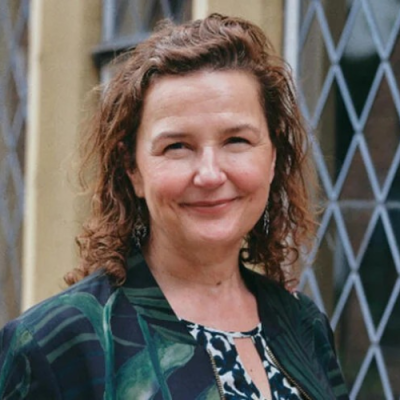

Language can include or exclude—and across health and social care, it often determines whether people feel heard at all. Jackie O’Sullivan, Executive Director of Strategy and Influence at Mencap, a charity that supports people with a learning disability, explores how communication shapes power, participation, and the reality of co-production for people with a learning disability.
Language is one of the most powerful tools in social care. For people with a learning disability, the words professionals use often determine whether they feel understood and involved in shaping their own lives. At Mencap, we regularly hear from people who are being let down because barriers to communicating mean they are not always getting the support they are entitled to.
Accessible communication is a basic right and when acronyms and jargon are used, exclusion can happen. When it comes to assessments, care plans, safeguarding meetings and clinical letters, it is important to remember that communication matters talking, listening, understanding, and sharing information in a way people can actually use often determines good outcomes.
If a person is not supported with accessible information so that they can understand decisions and choices they can make, then they do not have meaningful “choice and control”. That is why Mencap places such importance on accessibility.
People can feel like the services they need involve a constant stream of letters, online portals, discharge summaries and review meetings. Too often the default style is defensive and technical, leading to assumed choices, and a recording of “service user agreed” when the process was too confusing or complicated to understand and challenge.
For Mencap co-production is key, working closely with people with a learning disability to ensure they help shape decisions and services. Easy Read, plain language, clear layout, and time to process information makes consent legally valid, gives people choice, and enables real participation. When someone has to rely on a support worker to translate everything, the system is presenting barriers that should be addressed and broken down.
In practice, accessible communication and information means sending appointments and options in Easy Read ahead of time; offering a quiet waiting space; using short sentences and asking one question at a time; checking understanding; allowing longer slots; and recording decisions in words the person would use themselves. These reasonable adjustments are a worthwhile investment; getting it wrong means missed appointments, escalating distress and avoidable hospital admissions.
Mencap has highlighted persistent health inequalities for people with a learning disability, including evidence that people on average die almost two decades earlier than the general population and are more likely to die from causes that could have been treated. That happens when pain isn’t taken seriously, when symptoms are explained away, and when appointments move too fast. Communication is critical. It affects diagnosis, safety, and whether people come back for help next time.
- Check understanding properly: replace “Do you understand?” with “Can you tell me what you think will happen next?”.
- Offer format choices: “Would this be better in Easy Read, with pictures, or talked through slowly?” A care plan should be readable by the person it’s about.
- Name the person’s expertise: ask “What matters to you here?” and build decisions around peoples’ answer.
Communication should be treated as a core competency: training shaped and delivered with people with a learning disability, consistent standards for accessible information, and leaders challenging lazy language in letters and case notes. Services also need to schedule enough time for people to speak, process, and fully understand what’s happening.
This is not a case for perfect language or a culture of fear about saying the “wrong” thing. It is a case for understanding that words can reduce a person to a problem, or they can make space for the person to lead the conversation about their own life.
Accessible formats and co-production with people with additional communication needs benefits everyone. Social care systems are often complicated, and accessible information is limited so that any effort to make communication more straightforward and jargon-free helps not only people with a learning disability but everyone.
Mencap’s emphasis on accessible information, Easy Read and co-production offers a practical blueprint: slow down, explain clearly, offer information in formats people can use, and treat lived experience as expertise. When that happens, people do not just feel “included”, they gain real influence. And that is what being heard should mean.